
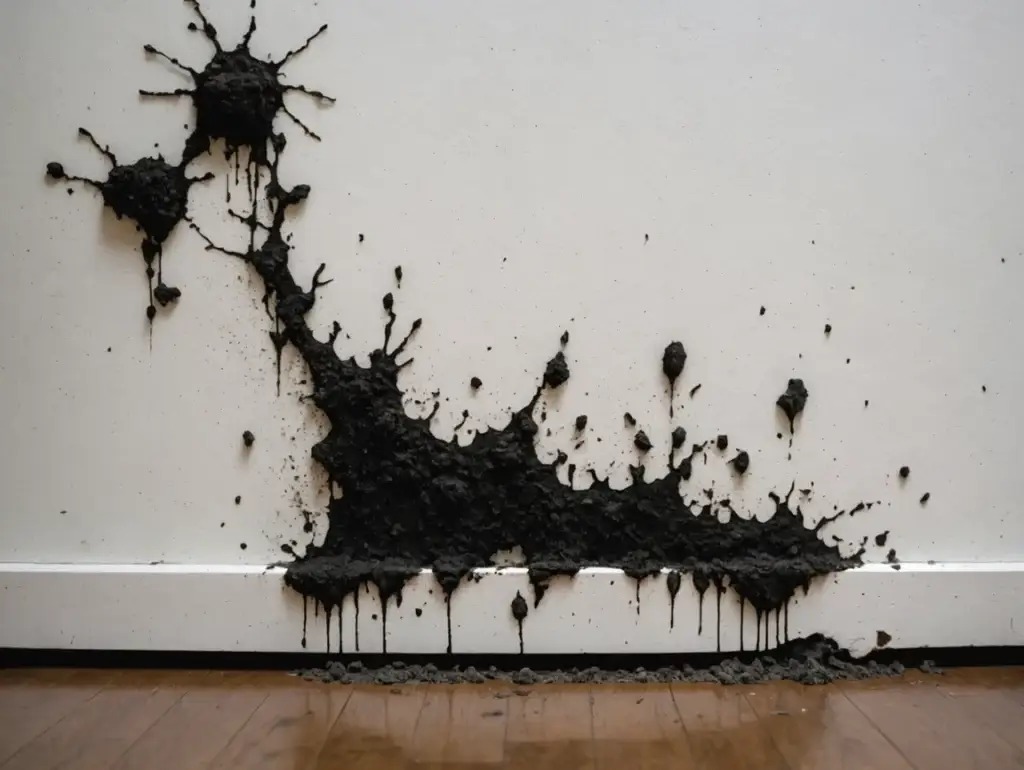
Mould in a property isn’t just an unpleasant sight — it can be a sign of moisture issues and, if left untreated, can affect both the condition of the building and the health of those inside. Many people initially assume mould is just a surface problem, but it often signals a deeper issue that needs careful attention.
At Biohazard Specialist Cleaning Solutions, we understand how unsettling it can be to discover mould in your home, rental property or business premises. Our focus is always on providing clear information so you can make informed decisions about mould and its impacts.
What Causes Mould and Why It Matters
Mould thrives in damp, poorly ventilated areas — places where moisture is allowed to build up without being dispersed. This can happen in bathrooms with inadequate airflow, kitchens where condensation accumulates, basements with rising damp, or anywhere there’s a leak or high humidity. Professional guidance notes that mould can grow quickly in these conditions and is often rooted in underlying moisture problems.
Beyond being unsightly, mould growth can have implications for indoor air quality. The microscopic spores that mould releases can circulate through a space, sometimes impacting people’s respiratory comfort — particularly those with asthma, allergies or other sensitivities.
What Professional Mould Removal Involves
Mould removal isn’t simply about wiping away visible patches. Because mould can travel deep into porous materials like plaster, wood and insulation, effective treatment often includes:
- Accurate assessment to understand how far the mould has spread
- Safe cleaning and removal, using specialist equipment and techniques
- Addressing moisture sources, such as condensation, leaks or poor ventilation
- Surface treatment and drying, to reduce the chances of mould returning
By taking a careful and systematic approach, professional mould removal aims not just to clean surfaces but also to help stop mould from coming back.
Hidden Dangers and the Value of Expertise
Mould doesn’t always stay where you first spot it. It can lurk behind furniture, under floorboards or within wall cavities, fed by unseen moisture sources. Disturbing these areas without appropriate containment can unknowingly release spores into other parts of the property. That’s why many industry experts recommend entrusting mould removal to trained professionals, rather than relying solely on DIY products — which may only treat the surface, not the cause.
Mould Is More Than an Eyesore
Remember that mould is usually a symptom — not the root cause. Simply painting over mould or cleaning it superficially often leaves the underlying issue unresolved, meaning the problem can quickly return. In contrast, effective mould control combines cleaning with moisture management strategies like improving ventilation, repairing leaks and ensuring good airflow.
Understanding what mould is and how it behaves can help you take sensible steps when it appears. By seeing mould as a moisture indicator rather than just an aesthetic issue, you can protect the integrity of the property and the wellbeing of its occupants.